

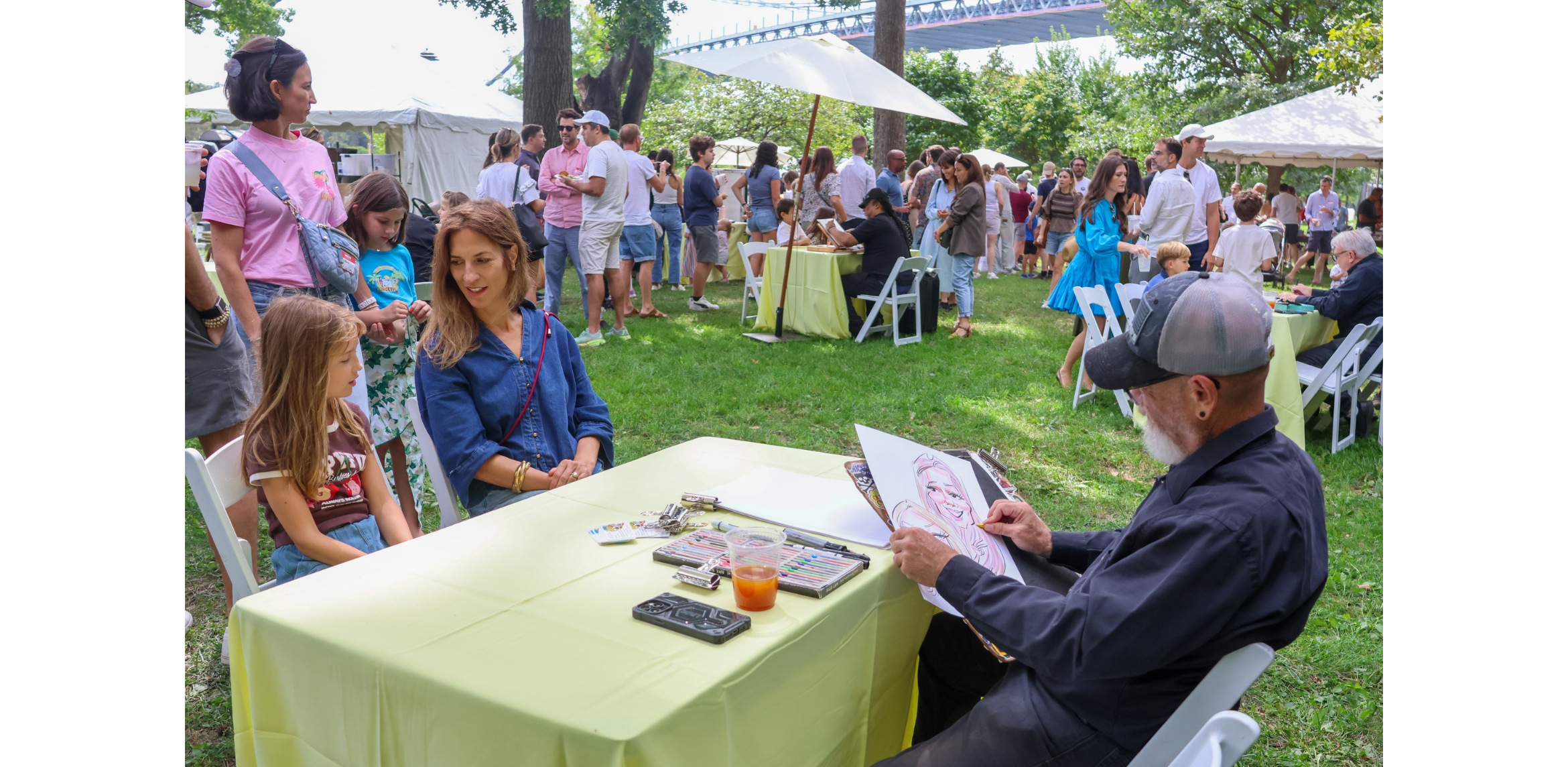
Just when I thought I had prepared for every eventuality and had an answer to everything this back-to-school season, two things happened back-to-back: New York City’s mayor announced a ban on AI in the city’s elementary and middle schools, and the latest, rather dismal, PISA results were released. Naturally, both are talking points within our community—I’ve been asked about them every day at the door (and at the picnic, which was once again a great success!). So I thought I would use the weekly letter format to explore both subjects with you, starting this week with the PISA tests and some initial conclusions we might draw for The École.
We’re all familiar with the basic premise of the PISA tests: every three years, 15-year-old students around the world are tested in mathematics, science, and reading. They also answer a series of questions about their school experience. The OECD then collects and analyzes the data and publishes a report, eagerly devoured by the press, which wields great sway over policymakers: poor results often lead to significant education reforms in the countries concerned. Unfortunately, this year’s findings do not leave much room for optimism: a worrying decline in reading scores (with a direct impact on math scores; it’s no secret: the better you read, the better you do in math), declining engagement in learning and, for the first time, a decline in performance among students from privileged backgrounds. So, who—or what—is to blame? COVID? It certainly contributed to the decline, as you might expect, but results had already begun falling before the pandemic. Screens? It’s a hypothesis that deserves serious consideration, but it requires nuance: the report finds that moderate technology use is actually linked to better scores. So it’s not all bad (the same, incidentally, is true of AI—but more on that another time).
Drawing on a sample of more than 750,000 teenagers, the report’s authors point to a much broader range of possible causes—societal, economic, educational, and political. They conclude that young people today are growing up in a new global environment that makes it harder, first, to stay concentrated while reading (because of how digital media increasingly fragment information); second, to remain fully engaged in learning (with shorter attention spans and curricula that emphasize theoretical knowledge without real-world connections); and third, to benefit from strong educational support while progressively building their skills (student absenteeism, lack of teacher training, low pay, government spending priorities, and so on).
The report is not always an easy read, and it definitely deserves more reflection, but it already offers some food for thought at the level of The École. It confirms some of our choices—our work on reading fluency, for example, which began last year and continues this year—and challenges others. Should we teach fewer subjects rather than offer more choices? Should students explore the selected subjects in greater depth? If children from privileged backgrounds (ours, to put it simply) are no longer progressing, or are even regressing, perhaps they are learning how to succeed at school and get good grades without developing what matters most: curiosity, a willingness to take risks, and a desire to learn how to learn. In a world where everything seems designed to make things faster and easier, we should explicitly reintroduce the notion of effort—and ask our students to produce thought, not just answers.
I will come back to PISA in the weeks ahead. In the meantime, have an excellent long weekend, everyone, and an easy and meaningful fast to all those observing Yom Kippur.